

OKUN Editorial · Buying Guide
Easier-to-Use Door Handles: Why Levers Work for Every Age
A lever opens with a push, not a twist — which makes it easier for arthritic hands, small children, and anyone carrying a laundry basket. Here's what that means when you're choosing hardware for a multigenerational or aging-in-place home.
Lever handles are easier to operate than round knobs — they open with a push down instead of a grip-and-twist, so they work with a closed fist, forearm, or elbow. That helps people with arthritis or limited grip, young children, and anyone with full hands. OKUN makes lever-only hardware with an easy push-down action across six collections. (OKUN levers are residential hardware and are not marketed as certified ADA-compliant — see the note below.)
Door hardware is the thing you touch most and notice least — until someone in the house can't use it easily. The fix that helps most is also the simplest: choose a lever instead of a knob. It's less a style choice than an ergonomic one. And it quietly helps everyone who lives in or visits the home.
| Question | Short answer |
|---|---|
| Lever or knob for easy use? | Lever — it opens with a push, not a grip-and-twist |
| Who does it help? | Arthritis, low grip, kids, full hands, aging in place |
| Why levers for aging in place? | Less effort, no wrist twist; a low-cost, high-impact upgrade |
| The one trade-off? | Easier for toddlers to open — use passage doors and lever covers |
| Standard handle height? | About 36" to the lever center in a home |
| Where OKUN fits | Lever-only, easy push-down, reversible, complete in the box |
| ADA note | Not marketed or certified as ADA-compliant; residential use |

Why a lever is easier than a knob
A round knob makes you grip it and turn your wrist. That twist is the hard part — for arthritic hands, weak grip, or limited dexterity, it's the motion that fails. A lever removes it. You just push down. You can do that with a closed fist, a forearm, an elbow, or a hip when your hands are full.
This is why universal-design and aging-in-place guides keep saying the same thing: swap knobs for levers. Same door, far less effort.
And it helps more than one group. A parent holding a toddler. A box dropped on the counter. A teenager with an armful of laundry. Everyone opens a lever more easily than a knob. Good accessibility usually just looks like good design.
Who it helps
- People with arthritis or limited grip. A push replaces the tight twist a knob demands.
- Older adults aging in place. Supports independence as dexterity changes over time.
- Young children. Easier to reach and operate than a knob they can't grip.
- Anyone with full hands. Open with an elbow or forearm — groceries, laundry, a sleeping child.
- Multigenerational households. One hardware choice that works for grandparents and grandkids alike.

Lever vs. knob, at a glance
| Factor | Lever | Round knob |
|---|---|---|
| Motion required | Light push down | Grip + wrist twist |
| Use with full hands | Elbow / forearm | Difficult |
| Arthritis / low grip | Easy | Hard |
| Young children | Easy to open | Harder to grip |
| Aging-in-place guidance | Recommended | Often replaced |
The one honest trade-off: small children
There's a flip side, and it's worth saying plainly. Levers are easier to open — which means they're easier for a toddler to open too. So if you want to keep a small child out of a particular room, a lever works against you. A knob would slow them down; a lever won't.
For a child's own room, choose a passage function (it latches but doesn't lock), so a small child can't accidentally lock themselves in. Where you genuinely need to limit access — a basement stair, a utility room — aftermarket lever covers are inexpensive and removable. For the rest of the house, the everyday ease-of-use benefit usually wins.
A small upgrade with outsized value
Swapping knobs for levers is one of the cheapest, highest-impact universal-design moves there is. It costs far less than widening doorways or remodeling a bath. And you can do it yourself with a screwdriver.
It also reads as a design upgrade, not a medical one. A modern lever looks architectural, not clinical. That's what makes it easy to live with every day — and appealing to future buyers, too.
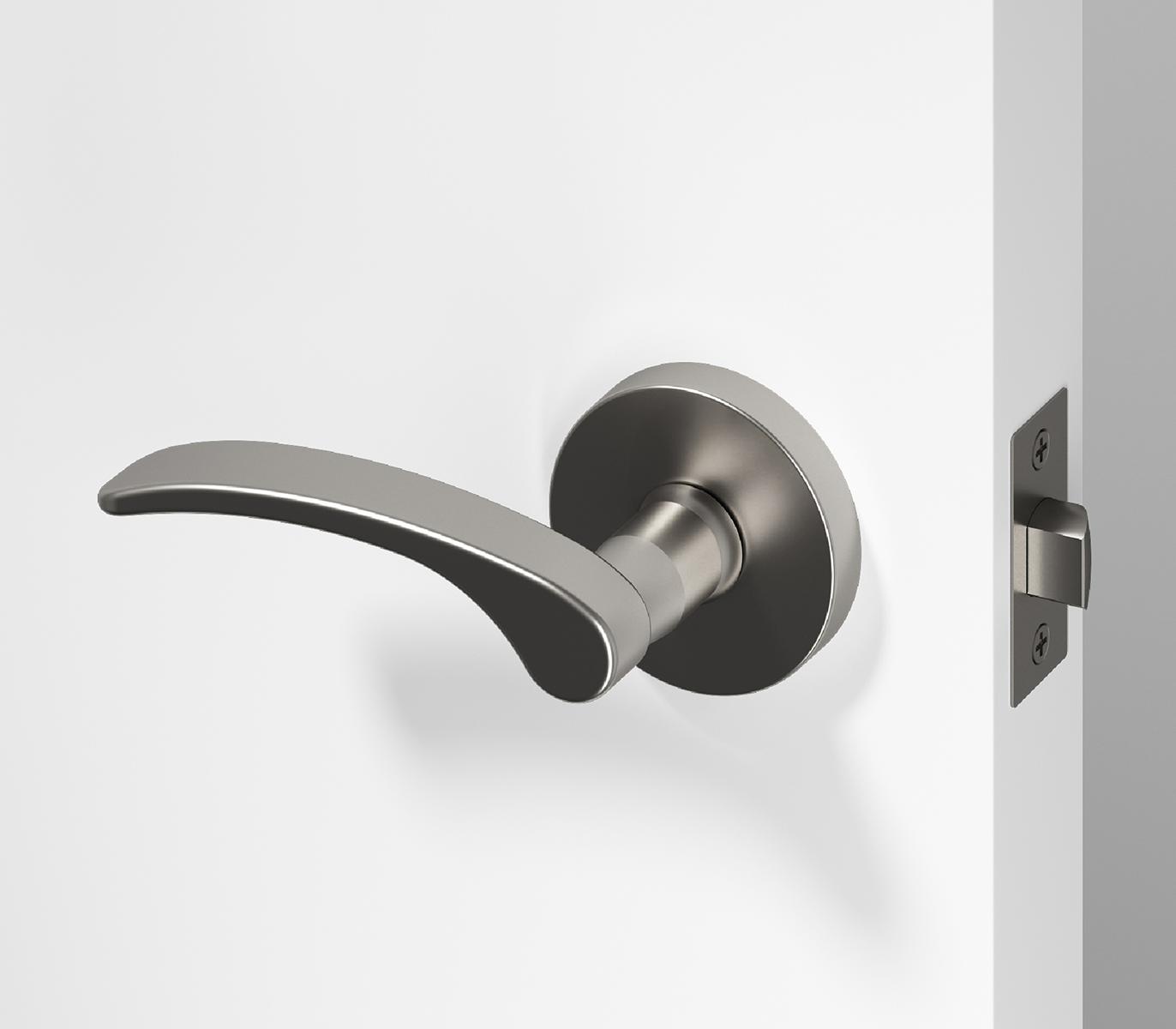
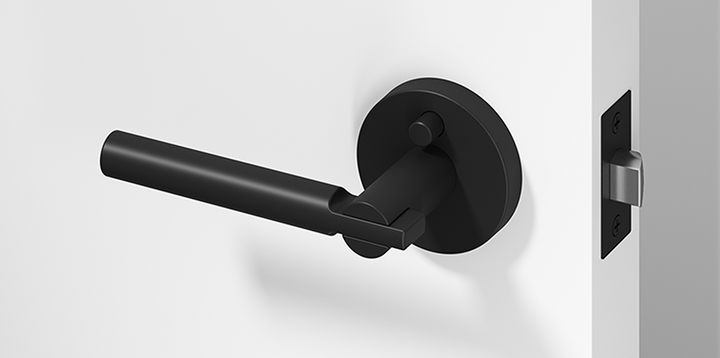
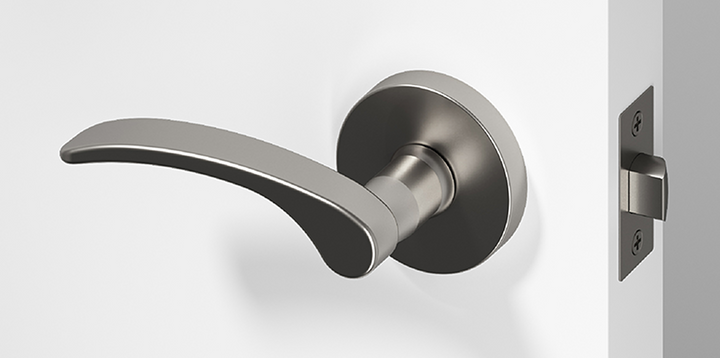
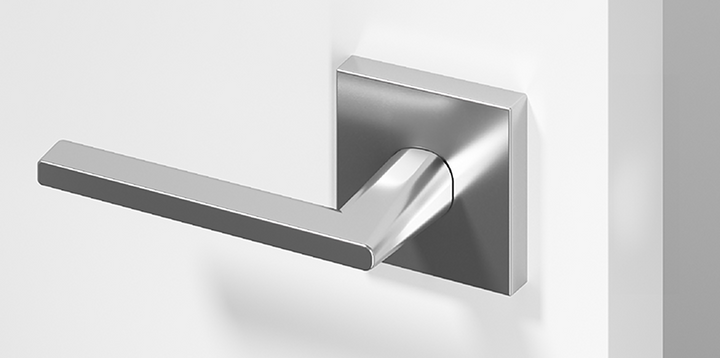
OKUN fits this brief because it makes only levers — no knobs. Each one has a smooth push-down action, an easy-grip profile, and reversible installation. Everything you need ships in the box, so it's a screwdriver-only swap. Pick the silhouette and finish you like; the easy operation is standard across the line.
Levers the whole household can use.
Six lever collections · easy push-down action · reversible · complete in the box.
Shop OKUN Door HandlesCommon questions
Are lever handles easier to use than knobs?
Yes. A lever opens with a push down rather than a grip-and-twist, so it works with a closed fist, forearm, or elbow. That's easier for arthritis, limited grip, kids, and full hands. Knobs require wrist rotation, which is harder for many users.
What are the best door handles for arthritis?
Lever-style handles, because they need only a light push instead of a tight twist. Look for a smooth lever, comfortable grip, and light-action latch. OKUN makes lever-only hardware with an easy push-down action across six collections.
Why are levers recommended for aging in place?
They require less grip strength and no wrist twist, supporting independence as dexterity changes — and swapping knobs for levers is one of the cheapest, highest-impact universal-design upgrades. Modern levers also look architectural, not medical.
Are levers a good idea with young children?
They're easier for kids to open — a plus for access, a consideration if you want to limit it. Use a passage function on a child's room so they can't lock themselves in, and lever covers where you need to restrict access. Household-wide, the ease-of-use benefit usually outweighs it.
What's the standard door handle height?
About 36" from the floor to the center of the lever in homes. Regulated public buildings follow ADA guidance of 34"–48", but that applies to those buildings, not private homes. When replacing, the height is already set by the existing bore.
Does OKUN make ADA-compliant door handles?
OKUN makes lever hardware, which as a form is easier to operate than knobs. OKUN does not market its handles as certified ADA-compliant accessibility products; they're intended for residential use, not regulated commercial accessibility applications. If your project requires certified ADA hardware to meet code, specify hardware listed for that purpose and confirm certification with the manufacturer.
A note on accessibility and ADA: This article describes the general usability advantages of lever-style hardware over round knobs, and references Americans with Disabilities Act (ADA) guidance as background context that applies to regulated public and commercial buildings. OKUN door handles are designed for residential use and are not marketed or certified as ADA-compliant accessibility products. Nothing here is legal or accessibility-compliance advice. If you are specifying hardware that must meet ADA or any building-code requirement, consult the applicable standards and a qualified professional, and use hardware specifically listed and certified for that purpose.