

Hardware Guide
Fake, Dummy, One-Sided: What Is That Door Knob Actually Called?
You've been searching the wrong word. Not your fault — the thing has about six names and shops use the one nobody would guess.

What is a door knob that doesn't turn called?
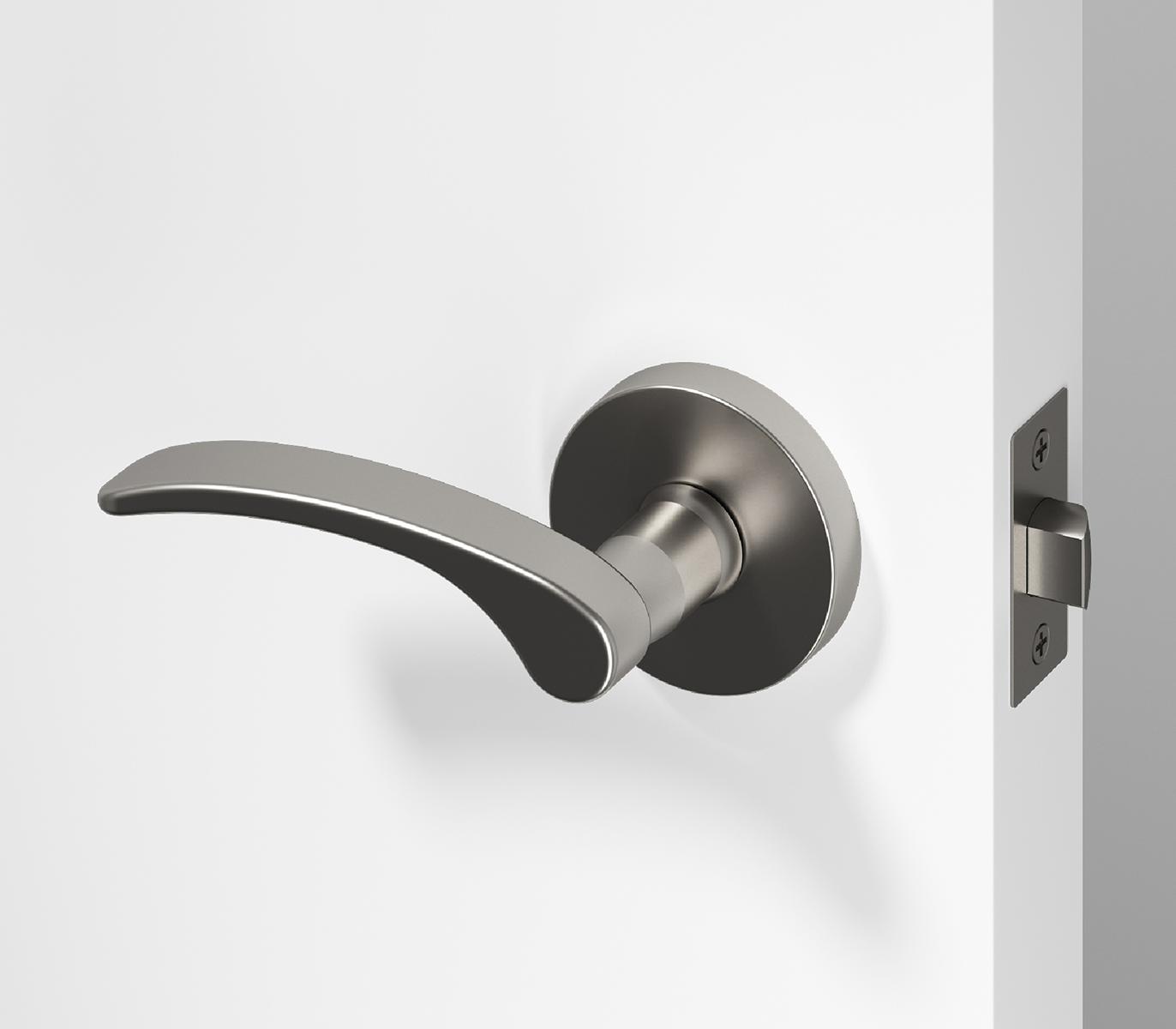
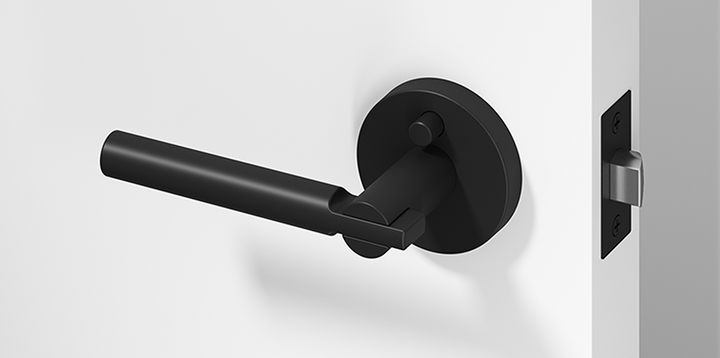
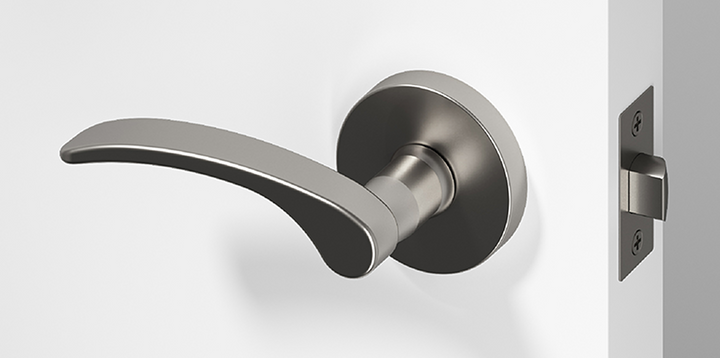
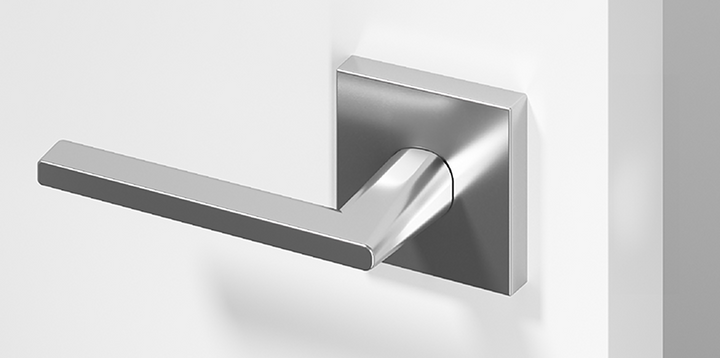
A dummy handle — or dummy knob. No latch, no mechanism, just a fixed pull mounted to the face of the door. That's the word every shop and manufacturer files it under, which is why "fake" and "one-sided" return almost nothing. Search "dummy" and it all appears.
Key Takeaways
- The word is "dummy." Every other term you've tried is a description; this one is the catalogue heading.
- Six names, one product. Fake, one-sided, inactive, pass-through, stationary and non-turning all point at the same thing.
- "Fake" is misleading. The handle isn't an imitation — it's the real handle with the mechanism left out.
- It's cheaper for a reason that isn't cost-cutting. There's no latch inside it, so there's less to pay for.
- If your door has a catch rather than a latch, this is the correct hardware — not a compromise.
The translation table
If you arrived here after three fruitless searches, this is the part you want. Every phrase on the left returns thin results. The right-hand column is what to type instead.
| What you searched | What it means | What shops call it |
|---|---|---|
| One sided door knob | A handle on only one face of the door | Dummy handle (sold per face) |
| Fake door knob or fake door handle | Looks real, opens nothing | Dummy handle |
| Non-turning door handle | Fixed, doesn't rotate | Dummy handle |
| Stationary door handle | Same again | Dummy handle |
| Inactive door handle | On the door of a pair that stays shut | Dummy handle |
| Pass-through handle | A door you push through, no latch | Dummy handle |
That's the whole puzzle. One product, wearing six hats depending on who's describing it.
The trade has a word. It just never bothered telling anyone what it was.
Why "dummy," of all things
It's the older English sense of the word — something that stands in for the real thing without doing its job. A dummy run. A tailor's dummy. Nothing to do with being stupid, though it does sound faintly insulting when a salesperson says it back to you.
The handle occupies the position working hardware would occupy, matches it exactly from the front, and operates nothing whatsoever. Which is precisely what you wanted when you typed "fake door knob" — you just used the honest word instead of the trade one.

One thing worth correcting: "fake" implies cheap, and that's the wrong read. On a decent set the dummy is the same handle, same metal, same finish as the working version — the latch and spindle simply aren't there. You're not buying a lesser object. You're buying the same object without a mechanism you'd never use.
Is it what you actually need?
Quick check, and it takes four seconds. Open the door and look at the top corner where it meets the frame.
- A small catch or magnet up there — the door is held by friction, not a latch. A dummy is right.
- A sprung latch entering a strike plate — the door genuinely latches, so it needs a working passage lever instead.
- Nothing at all, and the door just sits closed — bi-fold or sliding. Dummy for bi-folds; sliding panels need recessed flush pulls.
The doors that usually want one: closets on a catch, pantries, bi-folds, and the fixed panel of a French door pair.
Where to go from here
Now that you have the word, the rest of the internet opens up. Three places worth going next, depending on what you're doing:
- Want the full picture on the hardware itself — construction, where it belongs, how it differs from a working set? That's our designer's guide to dummy door knobs.
- Doing a closet or a bi-fold and unsure how many to buy? How many dummy handles a closet needs answers it by closet type.
- Fitting a French or double door pair? Active panel, inactive panel and what to order covers the configuration.
And if you're still deciding between the three interior functions generally, the passage, privacy and dummy guide sorts it in five minutes.
Frequently Asked Questions
A dummy handle, or dummy knob. It has no latch and no moving mechanism — it is a fixed pull mounted to the face of the door. Shops and manufacturers list it under dummy, which is why searching fake, one-sided or non-turning tends to return very little.
In practice, yes. One-sided describes how many faces of the door get a handle, and dummy describes the type of hardware. Because dummy handles are sold individually per face rather than as a pair, a one-sided knob is normally just a single dummy.
Dummy is used in the older English sense of something that stands in for the real thing without performing its function, as in a dummy run or a tailor's dummy. The handle occupies the position of working hardware and matches it visually, but operates nothing.
Not inherently. On a well-made set the dummy is the same handle in the same material and finish as the working version, with the latch and spindle omitted. What is missing is mechanism, not construction, which is also why it costs less.
Whenever a door needs something to pull but nothing to latch — a closet held by a magnetic or roller catch, a bi-fold, a pantry, or the fixed panel of a French door pair. Fitting a working lever to those doors adds a latch mechanism that never engages with anything.
The handle fitted to the inactive panel of a double or French door — the door that normally stays closed and is held by flush bolts or a catch. Since that panel is not operated, the handle on it is a dummy.
Keep Reading
- What Is a Dummy Door Knob? — the full designer's guide
- Dummy Handles for Closets & Bi-Folds — how many you need
- Passage, Privacy & Dummy — which function goes on which door
- French & Double Door Hardware — active and inactive panels
Now you know the word.
Dummy levers from $29.99 — eleven collections, four finishes, free 3–5 day delivery.
OkunThe little details make a big difference. © 2026 OKUN.